
When you’re booking a crane, the load weight might seem like a small detail on a booking form. Its a number you estimate and move on from. In reality, it’s one of the most important pieces of information in the entire lift, and getting it wrong can affect everything from safety to cost to whether […]
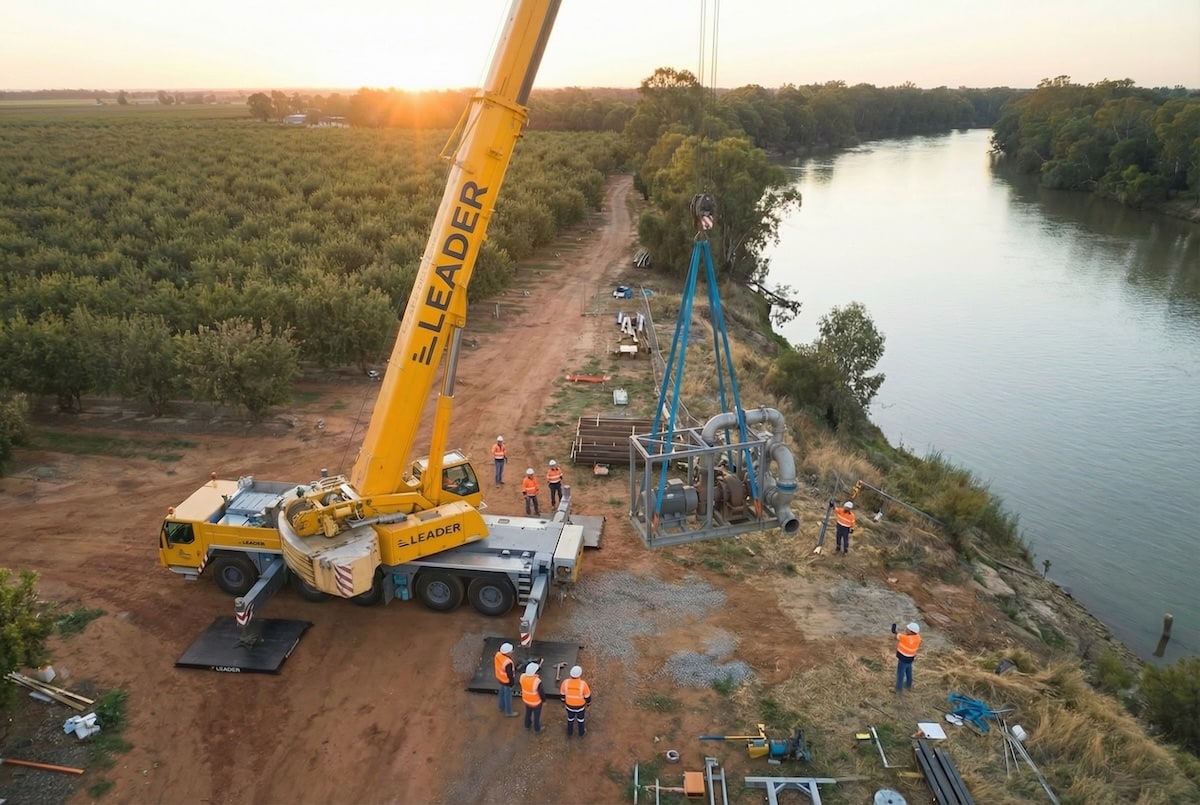
When you’re booking a crane, the load weight might seem like a small detail on a booking form. Its a number you estimate and move on from. In reality, it’s one of the most important pieces of information in the entire lift, and getting it wrong can affect everything from safety to cost to whether the job can go ahead at all.
Here’s why accurate load weights matter more than most people expect.
Every crane has a safe working load (SWL) — the maximum weight it can lift at a given radius and boom configuration. That figure isn’t a rough guide; it’s a hard engineering limit built around the crane’s stability, structural capacity, and rigging.
If the actual load is heavier than what’s been declared, the crane may be operating beyond its safe working load without anyone realising — a serious safety risk for the crew, the site, and anyone nearby. This is one of the most common (and most preventable) causes of crane incidents in the industry.
An underestimated load weight doesn’t just create a safety issue — it can mean the wrong crane turns up altogether. A crane sized for a lighter load simply may not be able to complete a heavier lift, even with everything else about the site and rigging being correct.
On the flip side, overestimating the weight can mean paying for a larger, more expensive crane than the job actually requires — capacity you didn’t need, at a cost you didn’t have to pay.
Load weight feeds directly into decisions about rigging, sling selection, lift radius, and ground bearing pressure. Get the number wrong, and those calculations are wrong too — which can mean rigging that’s under-rated for the load, or ground preparation that hasn’t accounted for the actual pressure the crane will place on site.
Accurate load weights typically come from:
“Roughly” or “about” isn’t good enough when it comes to load weight. If there’s genuine uncertainty, it’s far better to overestimate slightly and confirm on-site than to underestimate and find out the hard way.
Before we recommend a crane, we ask for accurate load weight information and we’d rather ask the extra question upfront than guess. If documentation isn’t available, we’ll help work out the right way to confirm it before the crane arrives, not after.
Got a lift coming up and not sure how to pin down the load weight? Give our team a call we’ll talk you through exactly what information we need and where to find it.

Copyright © 2026 Leader Cranes | All Rights Reserved | Site Managed by Shek Digital